
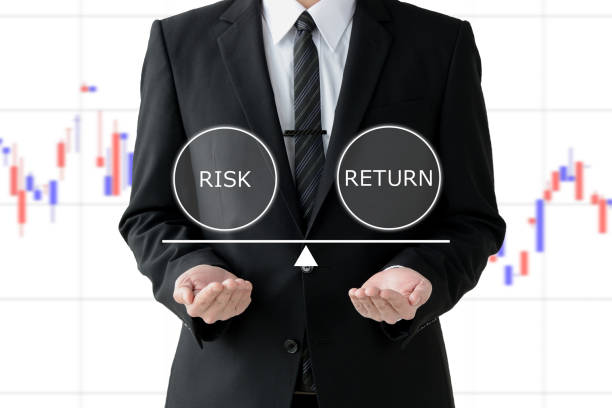
Investing plays a crucial role in financial growth and wealth accumulation, but it naturally comes with risks. Although we can’t completely eliminate these risks, we can employ various strategies to significantly reduce them, ensuring a more secure financial future. This article explores effective methods to minimize investment risks, offering valuable guidance for both novice and seasoned investors.
Understanding Investment Risk
Investment risk refers to the chance of losing some or all of the money you originally invested. There are various types of risks, including market risk, credit risk, liquidity risk, and inflation risk. Understanding these risks is the first step toward managing them effectively.
1.) Market Risk: The risk of losing money because of changes in the market.
2.) Credit Risk: The risk that a borrower will not be able to repay their debt.
3.) Liquidity Risk: The risk of not being able to sell an investment quickly without lowering its price.
4.) Inflation Risk: The risk that inflation will reduce the purchasing power of your investment returns.

Diversification: The Foundation of Risk Mitigation
Diversification means spreading your investments across different types of assets, industries, and regions. This approach helps reduce the impact of any single investment performing poorly, thereby lowering the overall risk.
1.) Asset Allocation: Spreading your investments across different types of assets, like stocks, bonds, and real estate, can help balance risk and reward. For example, stocks have high growth potential, bonds offer stability and income, and real estate can protect against inflation.
2.) Industry Diversification: Investing in different industries can protect against downturns specific to one sector. For instance, by combining investments in technology, healthcare, and energy, poor performance in one area won’t significantly affect your entire portfolio.
3.) Geographic Diversification: Investing in international markets can help reduce risks tied to specific countries. Economic or political instability in one country may not have a big impact on investments in another country.
Risk Assessment and Management
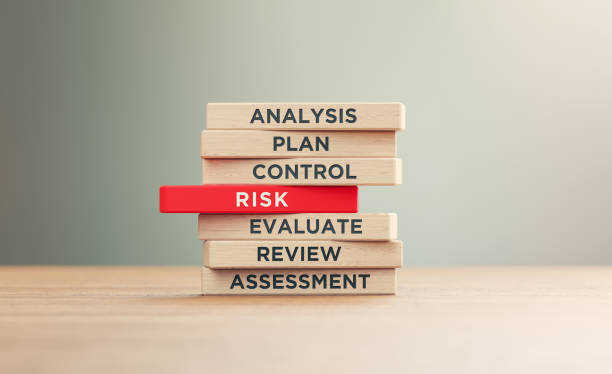
Effective risk management starts with carefully evaluating how much risk an investor is comfortable with, their financial goals, and how long they plan to invest. Here are important steps to manage risk:
1.) Risk Tolerance Assessment: Know how much you’re prepared to handle potential investment losses. This involves looking at your financial situation, investment goals, and how comfortable you feel with market changes.
2.) Setting Financial Goals: Clearly state what you want to achieve with your investments, whether it’s preserving your money, generating income, or growing your savings. Your goals will guide your investment choices and determine how much risk you’re willing to take.
3.) Investment Horizon: Think about how long you plan to invest your money. In general, longer investment periods allow for riskier investments because there’s more time to recover from any losses that may occur.
Strategic Investment Approaches
Here are a few investment strategies can further mitigate risk:
1.) Dollar-Cost Averaging (DCA): This strategy involves consistently investing a set amount of money, regardless of how the market is doing. DCA helps lessen the impact of market ups and downs by spreading out your purchases over time. This approach can potentially reduce the average cost of your investments per share.
2.) Rebalancing: From time to time, it’s important to review and adjust your portfolio to keep it balanced according to your goals. Rebalancing involves selling investments that have done well and buying those that haven’t performed as expected. This helps manage risk by ensuring your investments match your comfort level with risk and your financial objectives.
3.) Hedging: Using financial tools like options and futures to offset potential losses is called hedging. It helps protect against certain risks but could also restrict potential gains.
Research and Due Diligence
Doing thorough research and due diligence is crucial for reducing investment risks. This includes:
1.) Analyzing Financial Statements: Before investing, it’s important to examine the financial health of companies. Key things to look at are how much money they make (revenue), their profit margins (how much they earn after expenses), how much debt they have, and their cash flow (how much money comes in and goes out). These factors can help you make informed investment decisions.
2.) Understanding Market Trends: Stay updated on economic signs, trends in industries, and global events that might affect your investments.
3.) Evaluating Management Teams: Evaluate the experience and past performance of a company’s leadership team, as effective management often leads to better overall results.

Leveraging Technology
Today’s technology provides tools and platforms that help manage investment risks.
1.) Robo-Advisors: There are automated investment platforms that create diversified portfolios based on your risk tolerance and financial goals. They provide cost-effective and efficient management of your investments.
2.) Investment Apps: These applications offer up-to-date information, analysis, and notifications, helping investors make informed decisions and respond quickly to market shifts.
Behavioral Finance: Overcoming Emotional Biases
Investors can sometimes make irrational decisions due to emotional biases. Recognizing and managing these biases is important for reducing investment risks.
1.) Loss Aversion: It’s common for investors to worry more about potential losses than they appreciate potential gains, which can lead to overly cautious investment choices. Making balanced decisions involves weighing potential rewards against risks carefully.
2.) Overconfidence: Thinking too highly of your investment knowledge or skills can lead to taking too many risks. Staying humble and always seeking to learn can help balance this tendency.
3.) Herd Mentality: It’s easy to follow the crowd when investing, which can lead to buying when prices are high and selling when they’re low. Doing your own research and maintaining a disciplined approach are crucial for making wise investment choices.
Utilizing Professional Advice
Working with financial advisors or investment professionals can offer valuable advice and guidance. Advisors can customize investment strategies to fit your specific needs, keep an eye on market conditions, and make changes when needed. It’s crucial to select advisors who have a fiduciary duty, meaning they prioritize your best interests.
Continuous Education and Adaptation
The world of investing is always changing. It’s important to stay informed about new investment opportunities, how markets are changing, and different financial strategies. By regularly reviewing and adjusting your investment plan, you can make sure it still matches what you want to achieve and how much risk you’re comfortable with.
Reducing investment risk requires using a mix of diversification, careful planning, thorough research, seeking advice from experts, and ongoing learning. By following these strategies, investors can navigate uncertain markets more effectively, safeguard their savings, and achieve their financial goals. While risk can’t be eliminated entirely, taking a proactive and well-informed approach can greatly increase the security and success of your investments over time.